Every spring the scale still hits with the same quiet shock, even if you arrive thinking you’re prepared. Hannover Messe doesn’t announce itself with drama; it simply unfolds, hall after hall, until you realize you’re walking through a compressed version of the global manufacturing economy. Steel frames, glass walls, cables on the floor taped down with ruthless German precision, and everywhere the soundscape of industry—robots whirring, test rigs vibrating, screens chirping softly as data updates in real time. Conversations float by in fragments: cycle times, energy density, edge inference, redundancy. It feels less like a fair and more like a working lab that just happens to be open to the world for a few days.
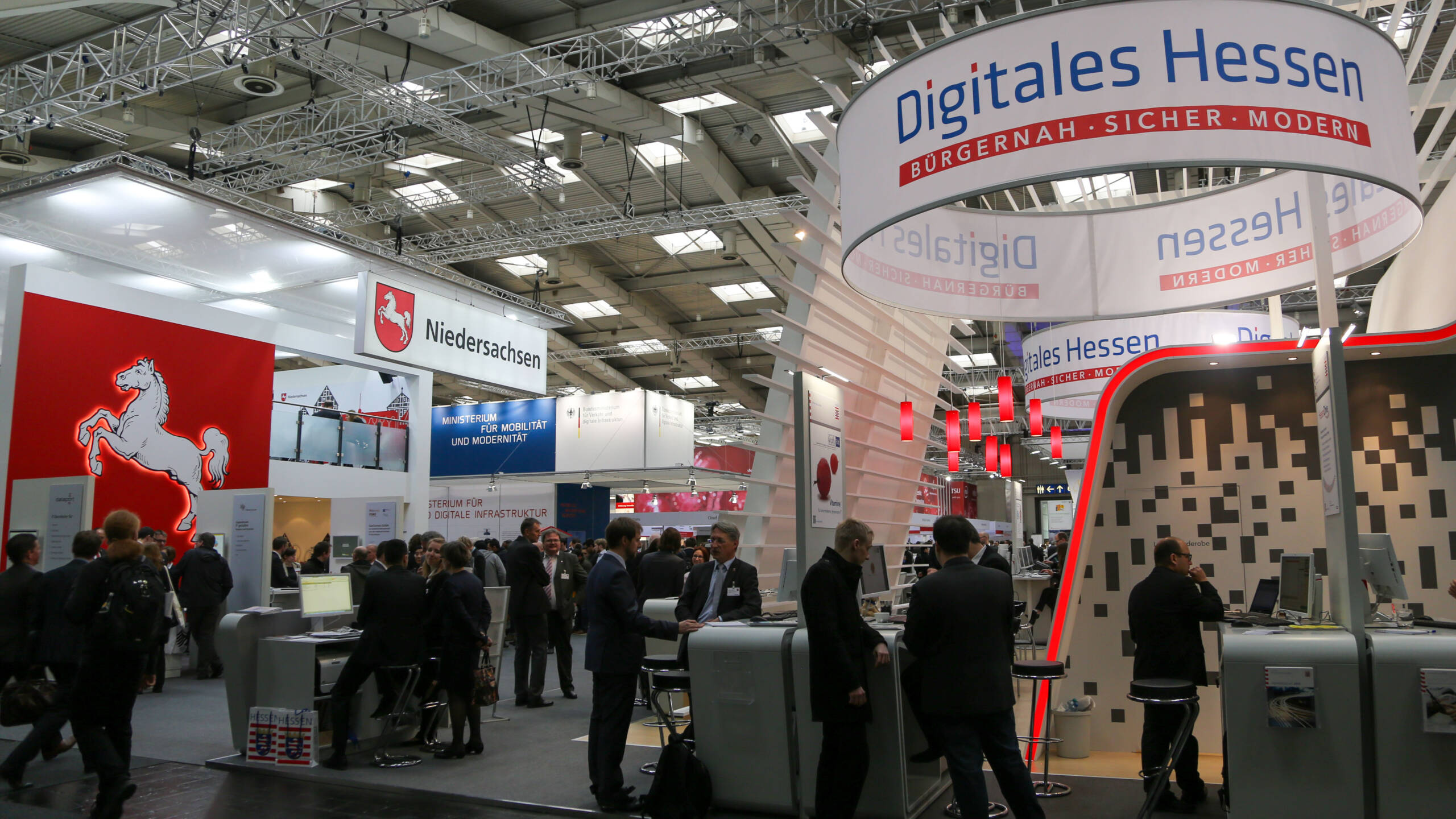
What becomes obvious early on is how completely manufacturing has absorbed the digital mindset. This isn’t about flashy concepts anymore; it’s about integration and survivability. AI isn’t presented as a miracle, but as plumbing—embedded in quality control, predictive maintenance, supply chain forecasting, workforce planning. Digital twins aren’t futuristic demos; they’re operational mirrors, tuned to the minute, allowing factories to rehearse decisions before committing steel and electricity. Sustainability, too, shows up in a different tone than a few years ago. Less moralizing, more math. Energy efficiency, hydrogen readiness, circular material flows are discussed with spreadsheets open and margins in mind. The message is blunt: green only scales if it works economically, and here you see companies trying very hard to make it work.
Moving deeper into the Messe, the boundaries between sectors start to blur. Automation vendors talk like software companies. Software companies speak confidently about physical constraints. Energy providers show up next to robotics firms, because the factory of the future clearly can’t exist without rethinking how power is generated, stored, and consumed. You see entire production lines designed as modular systems, able to pivot between products with minimal downtime, almost like manufacturing has learned lessons from cloud infrastructure. Resilience is the unspoken theme—resilience to labor shortages, to geopolitical shocks, to energy volatility. It’s not pessimistic; it’s pragmatic, the kind of realism you only get when real money and real factories are on the line.
There’s also a human undercurrent that doesn’t always get talked about. Engineers explaining systems with the quiet pride of people who’ve solved hard problems. Startups trying to look bigger than they are, wedged between industrial giants with decades of history. Decision-makers scanning booths quickly, stopping only when something truly different catches their eye. You sense deals being shaped not in formal meetings, but in those casual, half-improvised conversations at the edge of a stand, where someone leans in and says, “We’re testing this in a live plant next quarter.” That’s the Hannover Messe rhythm—less spectacle, more substance, progress measured in deployments rather than applause.
By the end of the day, walking back through the vast corridors toward the exits, the fatigue is real. Feet sore, phone battery nearly gone, notebook filled with sketches, acronyms, and arrows that made sense at the time. Yet there’s also that familiar aftertaste of perspective. Hannover Messe doesn’t tell you what the future will be; it shows you what’s already being built, quietly, methodically, by people who expect it to work. You leave knowing that manufacturing isn’t standing still, and that the next industrial chapter isn’t waiting for permission—it’s already rolling forward, one calibrated system at a time.