A wave of anticipation is building as the Humanoids Summit prepares to cross the Pacific and plant its flag in Tokyo next spring, bringing with it the same sense of restless possibility that electrified Silicon Valley just days ago. The choice of the Takanawa Convention Center feels almost symbolic—Japan has been quietly but steadily reclaiming its mantle as a robotics powerhouse, and hosting this gathering in Tokyo hints at the country’s renewed confidence in shaping the future of embodied AI. Registration is already open, and the Summit’s organizers wasted no time signalling ambition, announcing Professor Hiroshi Ishiguro as the opening keynote speaker. Ishiguro’s presence adds an unmistakable weight: his lifelike androids have long unsettled and fascinated audiences, and his remark that building these machines is also a form of human introspection lingers in the air with a kind of philosophical charge. He even plans to demonstrate the Geminoid robot live on stage, which, if past showcases are any indication, will blur the boundary between human and machine in ways that tend to provoke whispers around the room.
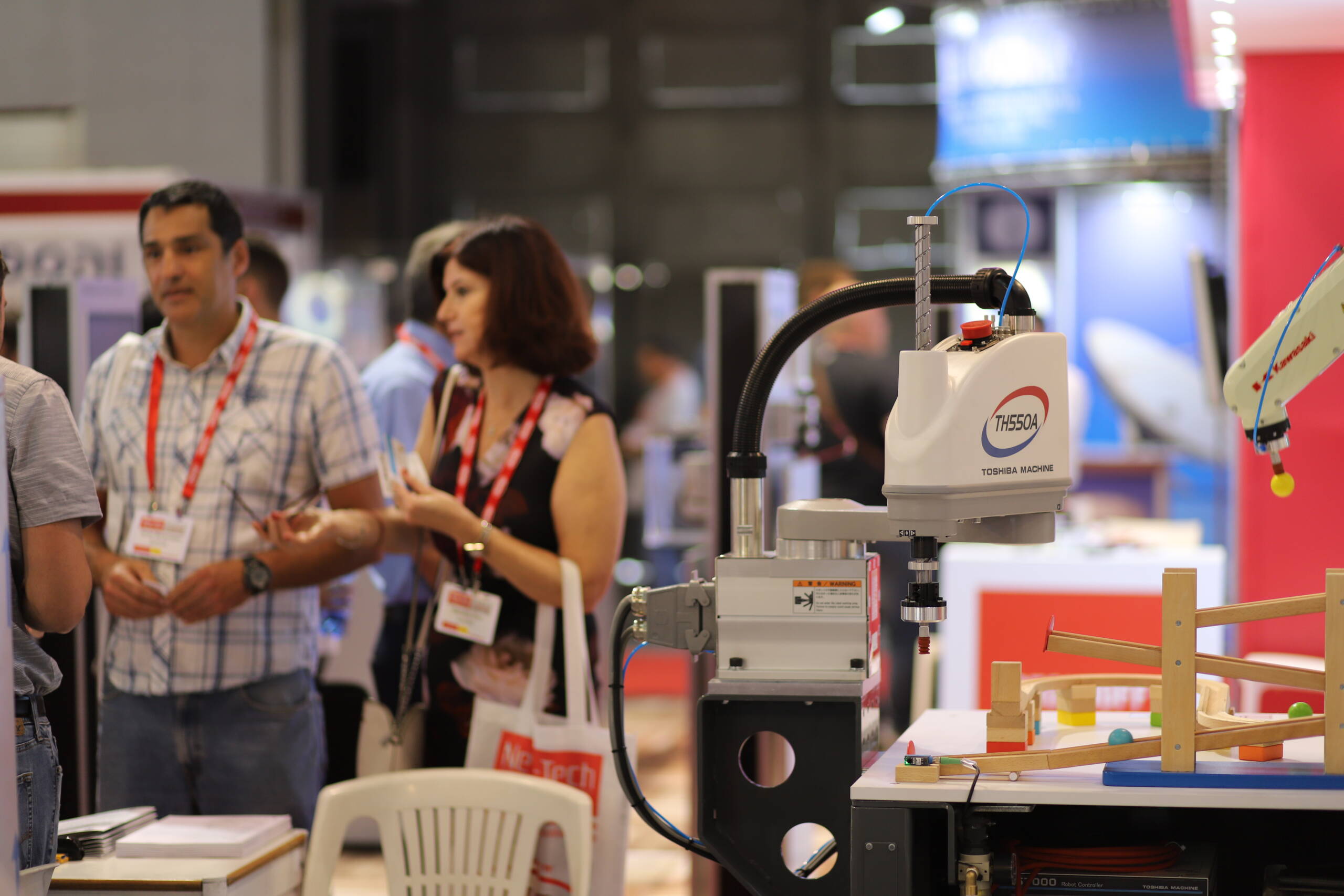
Shot with Canon R100 and a TTArtisan 50mm f/1.2
The momentum behind this expansion has been accelerating since the original Summit wrapped in Silicon Valley, where 2,000 participants from 450 companies and more than 50 countries created an atmosphere that felt part conference, part industrial renaissance. Attendees wandered between 75 speakers and 60 exhibitor teams, while cameras from Nikkei and NHK traced the outlines of what looked like a maturing global industry. Tokyo’s selection wasn’t a decision made in a vacuum; Japanese labs, manufacturers and operators have been signaling that they’re no longer content to watch humanoid robotics evolve from the sidelines. Many of the world’s early breakthroughs in mobility, mechanical design and interactive systems came from Japanese research groups, and the country’s reawakened focus on commercial humanoids—complete with mass-production pathways and AI architectures tuned for the real world—makes this new edition feel perfectly timed.
What awaits in Tokyo is shaping up to be a vivid expansion of the Summit’s ethos. Live robot demonstrations will set the pace, likely showcasing systems rugged enough for warehouses and dexterous enough for domestic tasks. Panels and fireside chats will dive into the thornier questions of safety, reliability and deployment economics, while startup pitches will reveal just how quickly investment is accumulating around embodied AI. With operators, investors, corporate R&D teams and academic leaders converging under one roof, the conversation is expected to shift from whether humanoid robots will enter real-world environments to how fast, how broadly, and under whose design principles.
The Summit’s evolution—from Silicon Valley as its anchor edition to London for Europe and now Tokyo for Asia—mirrors the broader trajectory of humanoid robotics itself: increasingly global, increasingly industrial, and increasingly central to how societies think about labor, mobility and the nature of intelligence. Tokyo’s debut in 2026 isn’t just another event on the calendar; it reads more like a marker on the timeline of a technology crossing into its next phase.